中文
English
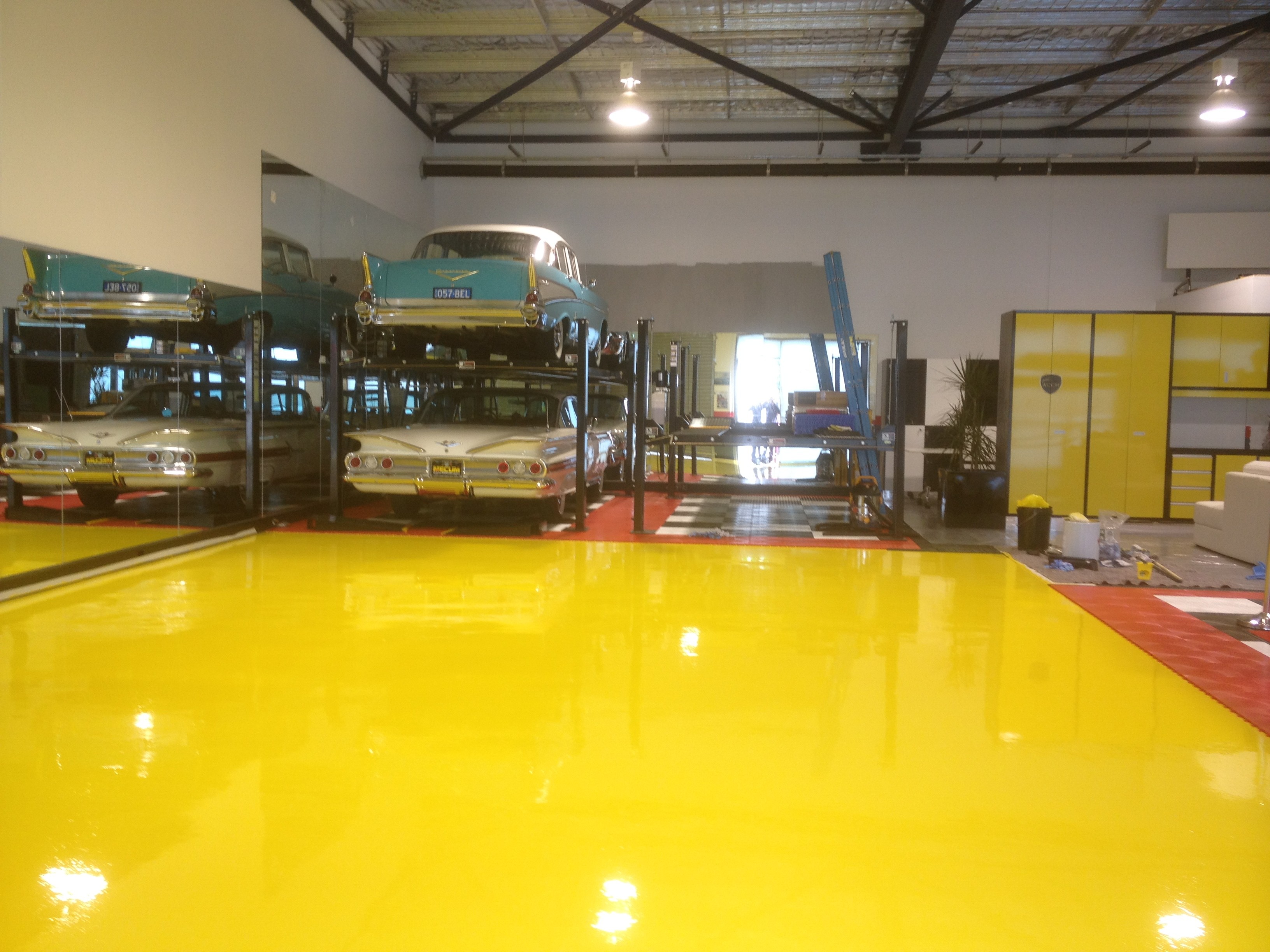
Industrial facilities demand flooring solutions that can withstand the harshest conditions while maintaining safety, hygiene, and operational efficiency. Among all available options, industrial epoxy flooring stands out as the gold standard for heavy-duty environments.
Whether you operate a manufacturing plant, warehouse, food processing facility, or pharmaceutical cleanroom, your floor takes a daily beating from heavy machinery, chemical spills, foot traffic, temperature extremes, and constant wear and tear. The right flooring system isn't just a surface—it's an investment in your facility's productivity, safety, and long-term value.
According to a 2025 market report by Grand View Research, the global industrial flooring market is projected to reach $12.8 billion by 2030, with epoxy coatings accounting for the largest share at over 35%. This dominance isn't accidental. Industrial epoxy floors offer an unmatched combination of durability, chemical resistance, aesthetic versatility, and cost-effectiveness that no other single flooring system can match.
In this complete guide, we'll cover everything you need to know about epoxy flooring for industrial use—from the science behind the material and the different systems available, to installation processes, maintenance best practices, cost considerations, and how to choose the right contractor for your project. Whether you're a facility manager evaluating flooring options or a business owner planning a new construction project, this guide will give you the knowledge to make informed decisions about your industrial floor coating investment.
At YUMEIGU, we've helped hundreds of industrial facilities across North America and Europe implement high-performance epoxy flooring solutions that stand the test of time. With our comprehensive range of epoxy flooring products, professional application equipment, and surface preparation consumables, we support contractors and facility owners alike in achieving flooring excellence.
Industrial epoxy flooring is a high-performance, multi-layered heavy-duty epoxy flooring system applied over concrete substrates to create a seamless, durable, and chemically resistant surface. Unlike residential epoxy coatings that are primarily decorative, industrial-grade epoxy systems are engineered to withstand extreme mechanical stress, chemical exposure, and continuous heavy use.
At its core, epoxy is a thermosetting polymer formed by the chemical reaction between two components:
When mixed in precise ratios, these two components undergo a polymerization reaction called cross-linking, creating a rigid, dense, and highly durable material that bonds tenaciously to properly prepared concrete surfaces.
While all epoxy coatings share the same basic chemistry, industrial epoxy flooring systems are formulated with specific enhancements for heavy-duty performance:
| Feature | Standard Epoxy | Industrial Epoxy |
|---|---|---|
| Thickness | 8-20 mils (0.2-0.5mm) | 30-250+ mils (0.75-6mm+) |
| Compressive strength | 8,000-10,000 psi | 12,000-18,000 psi |
| Chemical resistance | Basic household chemicals | Industrial acids, solvents, caustics |
| Impact resistance | Moderate | High (heavy forklift traffic) |
| Temperature tolerance | Up to 140°F (60°C) | Up to 300°F+ (150°C+) |
| Service life | 5-10 years | 10-30+ years |
The exceptional performance of industrial epoxy floors comes from their molecular structure. During curing, the epoxy resin and hardener form a three-dimensional cross-linked polymer network. This dense structure is what gives epoxy its remarkable properties:
Industrial facilities choose epoxy flooring for compelling reasons. Here are the ten most significant advantages that make industrial epoxy flooring the preferred choice for heavy-duty applications:
Industrial epoxy floors are built to last. With compressive strengths ranging from 12,000 to 18,000 psi—far exceeding the 3,000-5,000 psi of standard concrete—these floors can handle the daily abuse of heavy forklift traffic, pallet jacks, steel-wheeled carts, and dropped tools without cracking or chipping. High-build and mortar epoxy systems, in particular, provide impact resistance that protects both the floor and the concrete substrate beneath it.
Properly installed industrial epoxy flooring typically lasts 15 to 30 years in high-traffic environments, making it one of the most durable flooring solutions available.
One of the primary reasons industries choose epoxy is its exceptional resistance to a wide range of chemicals. From battery acid in automotive facilities to caustic cleaning agents in food processing plants, industrial-grade epoxy systems resist the corrosive effects of:
Chemical-resistant epoxy formulations can be customized to match the specific hazards present in your facility, providing a protective barrier that prevents corrosive substances from reaching and damaging the concrete substrate.
Unlike tile, vinyl, or concrete with joints and seams, epoxy flooring creates a completely seamless, non-porous surface. This seamless nature is particularly critical for industries with strict hygiene requirements:
This is why epoxy is the flooring of choice for food and beverage processing facilities, pharmaceutical cleanrooms, and healthcare environments where hygiene is non-negotiable.
Industrial epoxy floors can be formulated with multiple safety features that protect workers and reduce accident risks:
The Occupational Safety and Health Administration (OSHA) reports that slips, trips, and falls account for 15% of all accidental workplace deaths. A properly specified anti-slip epoxy floor can significantly reduce these risks.
Industrial doesn't have to mean ugly. Modern epoxy flooring systems offer remarkable aesthetic flexibility:
This means your industrial floor can be both high-performing and visually impressive—important for facilities that host clients, tours, or have employee morale considerations.
While the upfront cost of industrial floor coating may be higher than basic concrete sealing, the long-term cost savings are substantial:
When calculated on a cost-per-year-of-service basis, industrial epoxy is one of the most economical flooring options available.
For industrial facilities, downtime equals lost revenue. Professional epoxy installation teams can coat large areas efficiently:
Advanced rapid-cure epoxy systems can even achieve full cure in just a few hours, making them ideal for facilities that can only afford overnight or weekend shutdowns.
Modern industrial epoxy systems are more environmentally friendly than ever:
Facilities pursuing LEED certification or sustainability goals can often earn points for installing high-performance, low-VOC epoxy flooring systems.
Industrial epoxy systems are engineered to handle extreme temperature variations:
This makes epoxy suitable for everything from hot manufacturing lines to cold storage warehouses.
Perhaps the greatest advantage of industrial epoxy flooring is its adaptability. Systems can be customized to address the specific challenges of your facility:
Whatever your facility's unique challenges are, there's an epoxy system formulated to meet them.
Not all epoxy flooring systems are created equal. The right choice depends on your facility's specific requirements, traffic levels, chemical exposure, and budget. Here are the most common types of epoxy flooring for industrial use:
Self-leveling epoxy is the most popular industrial epoxy system, known for its smooth, seamless, high-gloss finish.
Key characteristics:
Ideal applications:
Pros:
Cons:
Epoxy mortar systems are the heavyweight champions of industrial flooring, designed for the most demanding environments.
Key characteristics:
Ideal applications:
Pros:
Cons:
Epoxy flake systems combine decorative appeal with industrial performance, creating a terrazzo-like appearance.
Key characteristics:
Ideal applications:
Pros:
Cons:
Electrostatic discharge (ESD) epoxy systems are essential for environments where static electricity poses a risk to products, equipment, or personnel safety.
Key characteristics:
Ideal applications:
Pros:
Cons:
Chemical-resistant epoxy systems are specially formulated to withstand prolonged exposure to corrosive substances.
Key characteristics:
Ideal applications:
Pros:
Cons:
While not technically epoxy, polyurethane (PU) topcoats are frequently used in conjunction with epoxy systems to enhance performance, creating what's known as an epoxy-polyurethane system.
Key characteristics:
Ideal applications:
Pros:
Cons:
Industrial epoxy flooring is incredibly versatile, serving as the preferred flooring solution across a wide range of industries. Let's explore the specific applications and benefits for each sector:
Manufacturing facilities represent the single largest market for heavy-duty epoxy flooring, and for good reason. These environments subject floors to the toughest conditions imaginable:
Recommended systems: Self-leveling epoxy for general manufacturing, epoxy mortar for heavy load areas, chemical-resistant epoxy for processing zones.
Manufacturing facilities that invest in quality epoxy flooring report reduced maintenance costs, improved worker safety, and better overall facility aesthetics—all of which contribute to operational efficiency.
Warehouses and distribution centers require flooring that can handle the fast-paced, high-volume movement of goods. Key challenges include:
Recommended systems: High-build self-leveling epoxy for general warehousing, epoxy mortar for dock areas and high-traffic aisles, anti-slip epoxy for loading zones.
Epoxy flooring's high light reflectivity is particularly valuable in warehouses, where improving visibility enhances both safety and picking accuracy. A study by the Industrial Floor Coatings Association found that light-colored epoxy floors can reduce warehouse lighting costs by up to 25%.
Food and beverage facilities face some of the most stringent flooring requirements, driven by FDA, USDA, and CFIA regulations:
Recommended systems: Chemical-resistant epoxy with antimicrobial properties, epoxy flake systems with clear topcoat, or urethane cement systems for extreme thermal shock conditions.
The seamless, non-porous nature of epoxy flooring is critical in food processing facilities. Unlike concrete, which is porous and can harbor bacteria even after cleaning, epoxy provides a completely sanitizable surface that supports HACCP (Hazard Analysis and Critical Control Points) compliance.
Pharmaceutical manufacturing and cleanroom environments demand flooring solutions that meet the highest standards of purity and performance:
Recommended systems: Smooth self-leveling epoxy with ESD properties, antimicrobial epoxy formulations, systems validated for ISO Class 5-8 cleanrooms.
In cleanroom environments, even minor floor imperfections can compromise air quality and product integrity. Industrial epoxy's seamless, non-shedding surface ensures that the floor itself doesn't become a contamination source.
From manufacturing plants to dealerships, the automotive industry relies heavily on industrial floor coating solutions:
Manufacturing and assembly plants:
Service and repair facilities:
Recommended systems: Epoxy mortar for manufacturing plants, self-leveling epoxy with chemical resistance for service departments, decorative flake epoxy for showrooms and customer areas.
The automotive sector was one of the earliest adopters of industrial epoxy flooring, and today, nearly all major automotive manufacturing facilities use epoxy or epoxy-urethane flooring systems in production areas.
Chemical manufacturing and processing facilities require the highest level of chemical resistance available:
Recommended systems: Novolac epoxy or vinyl ester systems for maximum chemical resistance, chemical-resistant epoxy mortar for secondary containment areas, ESD epoxy for explosive or flammable chemical handling.
In chemical plants, flooring isn't just a walking surface—it's a critical safety system. A properly specified and installed chemical-resistant epoxy floor can contain spills, prevent environmental contamination, and protect workers from slip hazards.
Commercial kitchens in restaurants, hotels, hospitals, and institutional facilities face uniquely demanding conditions:
Recommended systems: Textured anti-slip epoxy, quartz epoxy systems, or urethane cement for extreme thermal shock. Many commercial kitchen epoxy systems incorporate antimicrobial additives to prevent bacterial growth.
The National Floor Safety Institute reports that slips and falls in restaurant kitchens are 60% more common than in other industries. A properly specified anti-slip epoxy floor can dramatically reduce these incidents.
Cold storage warehouses, freezers, and refrigerated facilities present unique flooring challenges:
Recommended systems: Flexible epoxy formulations designed for cold temperature service, moisture-tolerant epoxy systems, and systems that can be applied at low temperatures for in-service repairs.
Epoxy flooring performs exceptionally well in cold environments because it remains flexible and impact-resistant at low temperatures, unlike some coatings that become brittle. The seamless surface also prevents moisture from penetrating and causing freeze-thaw damage to the concrete substrate.
Choosing the right thickness for your industrial epoxy flooring is critical to ensuring the system can handle your facility's specific demands. Thickness directly correlates to durability, impact resistance, and service life.
| Application Type | Recommended Thickness | MILS | MM |
|---|---|---|---|
| Light industrial / office areas | Thin-film epoxy | 8-20 mils | 0.2-0.5 mm |
| Medium industrial, light forklift traffic | Self-leveling epoxy | 30-60 mils | 0.75-1.5 mm |
| Heavy industrial, frequent forklift traffic | High-build self-leveling | 60-120 mils | 1.5-3 mm |
| Very heavy duty, extreme impact | Epoxy mortar | 120-500 mils | 3-12.7 mm |
| Concrete repair / resurfacing | Epoxy mortar (trowel-applied) | 1/4" - 1"+ | 6-25+ mm |
| Chemical containment | Chemical-resistant epoxy | 60-120 mils | 1.5-3 mm |
| ESD / cleanroom environments | Self-leveling ESD epoxy | 40-80 mils | 1-2 mm |
| Decorative / showrooms | Epoxy flake system | 20-60 mils | 0.5-1.5 mm |
1. Traffic Type and Volume
2. Substrate Condition
If your concrete floor is in poor condition with cracks, spalling, or unevenness, a thicker epoxy mortar system may be needed to both repair and protect the floor. For new, properly finished concrete, thinner systems may be sufficient.
3. Chemical Exposure
Facilities with significant chemical exposure typically need thicker systems to provide an adequate chemical barrier. For concentrated chemical exposure, consider 60-120 mils of chemical-resistant epoxy or epoxy mortar.
4. Budget Considerations
Thicker systems cost more in both materials and labor, but they also last longer. It's important to calculate the total cost of ownership, not just the upfront cost. A 60-mil system that lasts 20 years is often more cost-effective than a 20-mil system that needs replacement every 7 years.
Under-specifying thickness is one of the most common mistakes in industrial epoxy flooring projects. A floor that's too thin for its intended use will fail prematurely—showing wear patterns, chipping, and delamination long before it should. Conversely, over-specifying thickness wastes money on performance you don't need.
At YUMEIGU, our technical team can help you evaluate your facility's specific requirements and recommend the optimal heavy-duty epoxy flooring system and thickness for your application.
Proper installation is critical to the performance and longevity of industrial epoxy flooring. Even the best materials will fail if installed incorrectly. Here's the professional 7-step installation process:
Before any product is applied, a thorough site assessment is conducted:
Surface preparation accounts for 50-70% of a successful epoxy installation. The epoxy must bond to a clean, profiled, porous concrete surface:
The International Concrete Repair Institute (ICRI) defines Concrete Surface Profile (CSP) standards ranging from CSP 1 (very smooth) to CSP 9 (very rough). Most industrial epoxy systems require CSP 3-5 for proper adhesion.
Primer is the first coat applied to prepared concrete:
The primer coat creates the critical bond between the concrete substrate and the epoxy body coat. Skipping or poorly applying primer is a leading cause of epoxy delamination.
The body coat is the primary structural layer of the epoxy system:
For self-leveling epoxy:
For epoxy mortar:
Working time (pot life) for industrial epoxies typically ranges from 20-45 minutes at 70°F (21°C). Installers must work efficiently in manageable sections to ensure proper installation before the material begins to cure.
For decorative epoxy systems like flake or metallic floors:
Flake systems:
Line striping and safety markings:
The topcoat provides the final surface properties:
The topcoat is applied in one or more coats, with proper curing time between coats. For industrial applications, the topcoat selection significantly impacts the floor's long-term performance and maintenance requirements.
Proper curing is essential for achieving full performance properties:
Curing times vary based on temperature, humidity, and specific product formulation. Cooler temperatures significantly slow cure times, while warmer temperatures accelerate them.
The lifespan of industrial epoxy flooring varies significantly based on several factors. Let's examine what you can expect and what influences longevity.
| Epoxy System Type | Expected Service Life |
|---|---|
| Thin-film epoxy (8-20 mils) | 5-10 years |
| Self-leveling epoxy (30-60 mils) | 10-15 years |
| High-build self-leveling (60-120 mils) | 15-20 years |
| Epoxy mortar (120-500 mils) | 20-30+ years |
| Epoxy with PU topcoat | Add 3-7 years to above ranges |
1. Traffic Volume and Type
The single biggest factor in floor lifespan is what's driving, walking, or rolling on it every day:
2. Surface Preparation Quality
Poor surface preparation is the #1 cause of premature epoxy floor failure. Floors that were installed on dirty, sealed, or improperly profiled concrete can delaminate in months or even weeks, regardless of the system thickness or quality.
3. Environmental Conditions
4. Maintenance Practices
Well-maintained epoxy floors last significantly longer than neglected ones:
5. Installation Quality
Professional installation by experienced, certified contractors ensures:
A poorly installed high-quality epoxy system won't last as long as a properly installed mid-tier system.
Even the best epoxy floors eventually show signs of wear. Watch for these indicators:
For most industrial floors, a well-timed re-coat or topcoat refresh can extend the floor's life by 5-10 years at a fraction of the cost of full replacement.
Proper maintenance is essential to maximizing the lifespan and performance of your industrial floor coating. The good news is that epoxy floors are among the lowest-maintenance industrial flooring options available. Here's how to keep yours in top condition:
Regular sweeping and dust mopping
Prompt spill cleanup
Auto-scrubber cleaning
Manual mopping (for smaller areas)
Topcoat reapplication
Joint maintenance
Minor touch-ups
To protect your epoxy floor investment:
Do NOT use:
Do NOT:
| Facility Type | Sweeping | Auto-Scrub Cleaning | Topcoat Refresh |
|---|---|---|---|
| Light office / low traffic | Weekly | Monthly | Every 10+ years |
| Warehouse / distribution | Daily | Weekly | Every 7-10 years |
| Manufacturing plant | Daily | 2-3 times per week | Every 5-7 years |
| Food processing / washdown | Daily | Daily | Every 5 years |
| Chemical processing | Daily | Daily | Every 3-5 years |
A proactive maintenance program not only extends your floor's life but also ensures that your facility always presents a clean, professional appearance. For more detailed maintenance guidance, check out our blog post on epoxy flooring maintenance best practices.
Understanding the cost of industrial epoxy flooring is crucial for budgeting your project. Prices vary widely based on numerous factors. Here's a comprehensive breakdown:
| System Type | Low End | Mid Range | High End |
|---|---|---|---|
| Thin-film epoxy (8-20 mils) | $2.00 | $3.50 | $5.00 |
| Self-leveling epoxy (30-60 mils) | $3.50 | $5.50 | $8.00 |
| High-build self-leveling (60-120 mils) | $6.00 | $8.50 | $12.00 |
| Epoxy mortar (1/4" - 1/2") | $8.00 | $12.00 | $18.00 |
| Epoxy flake system | $5.00 | $8.00 | $12.00 |
| ESD epoxy system | $6.00 | $9.00 | $14.00 |
| Chemical-resistant epoxy (novolac) | $7.00 | $11.00 | $16.00 |
| Epoxy + Polyurethane topcoat | Add $1.00-$3.00 to above | ||
Note: Prices are per square foot USD, including materials and professional installation. Actual costs vary by region, facility condition, and project complexity.
1. Floor Condition and Preparation
This is often the biggest variable in project cost:
For floors in poor condition, surface preparation can account for 30-50% of the total project cost.
2. System Thickness and Type
Thicker systems use more material and take longer to install, both of which increase cost. Specialized systems like ESD, chemical-resistant, or epoxy mortar are more expensive than standard self-leveling epoxy.
3. Project Size
Economies of scale apply to epoxy flooring:
4. Geographic Location
Labor rates and material transportation costs vary by region:
5. Project Complexity
6. Additional Features
While upfront costs matter, the total cost of ownership (TCO) is the more important metric:
| Flooring Type | Upfront Cost/Sq Ft | Lifespan (years) | Annual Cost/Sq Ft | 20-Year Cost/Sq Ft |
|---|---|---|---|---|
| Sealed concrete | $1.50 | 3-5 | $0.30-$0.50 | $6.00-$10.00 |
| Vinyl tile | $4.00 | 7-10 | $0.40-$0.57 | $8.00-$11.40 |
| Epoxy (self-leveling) | $5.50 | 12-15 | $0.37-$0.46 | $7.33-$9.17 |
| Epoxy mortar | $12.00 | 20-30 | $0.40-$0.60 | $8.00-$12.00 |
| Polished concrete | $6.00 | 10-15 | $0.40-$0.60 | $8.00-$12.00 |
When you factor in longer lifespan, lower maintenance costs, and concrete protection, industrial epoxy flooring is often the most economical choice over the long term.
For a more detailed cost breakdown, read our comprehensive guide on epoxy flooring cost factors and pricing guides.
The internet is full of DIY epoxy flooring tutorials promising professional results at a fraction of the cost. But is DIY industrial epoxy flooring a good idea for commercial and industrial facilities? Let's examine the pros and cons.
What you save:
The reality of DIY for industrial applications:
Equipment requirements (things most DIYers don't have):
Risks of DIY industrial epoxy:
What you pay for:
When professional installation is non-negotiable:
| Factor | DIY Epoxy | Professional Installation |
|---|---|---|
| Materials (5,000 sq ft) | $5,000-$15,000 | $10,000-$25,000 |
| Equipment rental | $500-$2,000 | Included |
| Labor | Your time (40-80+ hours) | $7,500-$15,000 |
| Total cost | $5,500-$17,000 | $17,500-$40,000 |
| Expected lifespan | 2-5 years (if done well) | 10-20+ years |
| Cost per year | $1,100-$8,500 | $875-$4,000 |
| Warranty | None (or product-only) | 1-10 years labor + materials |
| Downtime | 1-3 weeks | 3-7 days |
For residential garages and small commercial spaces with light traffic, DIY epoxy can be a reasonable option for handy owners. For industrial epoxy flooring applications—where floor failure means lost productivity, safety hazards, and costly repairs—professional installation is almost always the better investment.
The stakes are simply too high in industrial environments. A failed DIY epoxy floor in a manufacturing facility can cost tens of thousands of dollars in downtime, removal, and re-installation. Professional installation ensures the job is done right the first time, with proper specifications and workmanship guarantees.
Selecting the right contractor is just as important as selecting the right epoxy system. Even the best materials will fail if installed by an inexperienced or unprofessional contractor. Here's how to find and evaluate industrial floor coating professionals:
1. Experience and Specialization
2. Certifications and Training
3. Proper Licensing and Insurance
4. Portfolio and References
5. Detailed Proposals
A reputable contractor will provide a detailed written proposal that includes:
Be wary of contractors who provide vague quotes or extremely low prices—they may be cutting corners on materials, preparation, or safety.
We recommend getting at least 3-5 bids from different contractors for your industrial epoxy project. But remember—the lowest bid isn't always the best value. Consider:
At YUMEIGU, we work with a network of certified industrial flooring contractors across North America and Europe, providing them with high-quality epoxy flooring products, professional application equipment, and technical support. If you're looking for a reputable contractor in your area, we can help connect you with qualified professionals.
Epoxy isn't the only industrial flooring option. Let's compare it to the most common alternatives to help you make the right choice for your facility.
Polyurethane (PU) flooring systems are similar to epoxy but with some key differences:
| Factor | Industrial Epoxy | Polyurethane Flooring |
|---|---|---|
| Durability | Excellent (high compressive strength) | Very Good (better abrasion resistance) |
| Chemical resistance | Excellent (broad range) | Good (better with some solvents) |
| UV resistance | Poor (yellows in sunlight) | Excellent (color-stable) |
| Flexibility | Rigid | More flexible (better with slab movement) |
| Application thickness | 20 mils to 1"+ | 20-80 mils (usually thinner) |
| Cost | $3.50-$12.00/sq ft | $5.00-$15.00/sq ft |
| Installation time | 3-7 days | 2-5 days |
| Cure time | 5-7 days full cure | 3-5 days full cure |
| Temperature range | -40°F to 300°F | -40°F to 250°F |
Best choice: Epoxy for heavy industrial, high-compressive-load, and chemical-exposure environments. Polyurethane for facilities needing UV stability, extreme abrasion resistance, or greater flexibility. Many industrial floors use epoxy for the base build with a PU topcoat—getting the best of both worlds.
Polished concrete has gained popularity as a low-maintenance industrial flooring option:
| Factor | Industrial Epoxy | Polished Concrete |
|---|---|---|
| Durability | 10-30 years (coating can be re-done) | 20-40+ years (permanent) |
| Chemical resistance | Excellent (non-porous barrier) | Fair (concrete is still porous) |
| Initial cost | $3.50-$12.00/sq ft | $3.00-$8.00/sq ft |
| Maintenance | Low (periodic re-coat may be needed) | Very low (occasional re-polish) |
| Dust control | Excellent (seals concrete completely) | Good (but may still dust over time) |
| Design options | Unlimited colors, flakes, logos | Limited (concrete color variations only) |
| Installation time | 3-7 days | 3-10 days (depending on steps) |
| Moisture issues | Can fail if moisture is high | Better with moisture issues |
| Repairability | Easy to patch and repair | Difficult to match polished finish |
Best choice: Epoxy for chemical resistance, design flexibility, and seamless protection. Polished concrete for ultra-low-maintenance, high-durability environments where chemical resistance isn't critical and aesthetics are simpler.
PVC and vinyl tile systems are common in commercial and some industrial settings:
| Factor | Industrial Epoxy | PVC / Vinyl Tile |
|---|---|---|
| Durability | 10-30 years | 7-12 years |
| Chemical resistance | Excellent | Fair to Good (depends on type) |
| Seamless | Yes (completely seamless) | No (grout lines and seams) |
| Hygiene | Excellent (no harborage points) | Fair (seams can harbor bacteria) |
| Heavy forklift traffic | Excellent | Not recommended |
| Installation time | 3-7 days | 1-3 days |
| Cost | $3.50-$12.00/sq ft | $2.00-$6.00/sq ft |
| Repairability | Patching is possible but visible | Individual tiles can be replaced |
| Underfloor access | No (destructive to remove) | Yes (tiles can be lifted) |
Best choice: Epoxy for heavy industrial, food processing, chemical, and high-traffic environments. PVC tile for lighter commercial applications, offices, or areas where underfloor access is needed.
Stained or dyed concrete is a popular decorative option, but how does it stack up industrially?
| Factor | Industrial Epoxy | Stained / Dyed Concrete |
|---|---|---|
| Durability | High-build protective layer | Surface only (no build) |
| Protection | Protects concrete from damage | Just colors the concrete |
| Chemical resistance | Excellent | Poor (acid stains can etch) |
| Wear resistance | Excellent | Fair (wears through sealer) |
| Cost | $3.50-$12.00/sq ft | $2.00-$5.00/sq ft |
| Industrial use | Recommended for heavy use | Only for light decorative use |
Best choice: Epoxy for any industrial application. Stained concrete is purely decorative and unsuitable for heavy industrial use.
| Your Priority | Best Flooring Option |
|---|---|
| Heavy forklift & machinery traffic | Epoxy mortar |
| Chemical resistance | Chemical-resistant epoxy (novolac) |
| UV stability / outdoor areas | Polyurethane or polyaspartic |
| Ultra-low maintenance | Polished concrete |
| Food & beverage hygiene | Epoxy + antimicrobial topcoat |
| Budget (short-term) | Polished concrete or basic epoxy |
| Budget (long-term) | High-build epoxy or epoxy mortar |
| ESD / static control | ESD epoxy system |
| Decorative appearance | Epoxy flake or metallic epoxy |
Most industrial epoxy flooring projects take 3-7 days from start to full service, depending on the system type, facility size, and condition. Surface preparation takes 1-2 days, coating application takes 1-3 days, and curing takes 5-7 days for full heavy-traffic service. Smaller projects can often be completed over a weekend.
Yes, epoxy flooring is designed to be applied over properly prepared concrete. The concrete must be structurally sound, clean, and profiled (roughened) to ensure proper adhesion. Most existing concrete floors can be coated after appropriate surface preparation.
Epoxy paint is typically a single-component, water-based product that contains a small amount of epoxy resin for improved durability. True industrial epoxy is a two-component, 100% solids system that provides significantly better durability, chemical resistance, and adhesion. Epoxy paint is suitable for light residential use but not for industrial applications.
Standard epoxy will yellow (amber) when exposed to UV light from sunlight or certain types of industrial lighting. This is a natural characteristic of epoxy chemistry. To prevent yellowing, a polyurethane or polyaspartic topcoat can be applied, which provides UV stability and maintains the original color. Indoor facilities with minimal natural light will see very little yellowing.
Smooth, high-gloss epoxy can be slippery when wet, just like any hard, smooth surface. However, industrial epoxy systems can be formulated with anti-slip aggregates or textures to significantly improve traction. For wet environments like commercial kitchens or washdown areas, textured anti-slip epoxy systems are always recommended.
Yes, epoxy flooring is repairable. Minor chips and scuffs can be touched up with matching epoxy material. Larger damaged areas can be cut out, patched, and re-coated. While repairs may be slightly visible, they restore full functionality. For the most invisible repairs, it's best to have the same contractor who installed the floor perform the repair.
Industrial epoxy floors are easy to clean. Use a soft broom or microfiber dust mop for dry cleaning. For wet cleaning, use an auto-scrubber or mop with a pH-neutral industrial floor cleaner. Avoid abrasive pads, acidic cleaners, and steel wool. Promptly clean up chemical spills to prevent staining or damage.
Most industrial epoxy systems can withstand continuous temperatures from -40°F (-40°C) up to 140-200°F (60-95°C). Specialized heat-resistant formulations can handle continuous temperatures up to 300°F (150°C) and intermittent exposure to higher temperatures. For extreme heat applications, consult with your flooring specialist.
Standard epoxy formulations require minimum temperatures of 55-60°F (13-15°C) for proper curing. However, low-temperature epoxy formulations are available that can be applied at temperatures as low as 35°F (2°C). These specialized systems are particularly useful for cold storage facilities or winter installations.
Thickness depends on your facility's traffic and use:
Most industrial facilities with forklift traffic need at least 40-60 mils for adequate durability.
Yes, when properly installed, industrial epoxy flooring is completely impermeable to water and most liquids. It creates a seamless, waterproof barrier that prevents moisture from penetrating the concrete substrate. This makes it ideal for wet environments, washdown areas, and facilities where liquid spills are common.
Yes, a well-maintained industrial epoxy floor can increase property value by protecting the concrete substrate from deterioration, providing a move-in-ready flooring solution for new tenants, reducing future renovation costs for buyers, and improving overall facility appearance. Industrial buyers and tenants often pay a premium for facilities with quality epoxy flooring already in place.
While it's technically possible to install epoxy over tile, it's generally not recommended for industrial applications. Tile surfaces are smooth and non-porous, making proper adhesion difficult. Additionally, grout lines can telegraph through the epoxy. The standard industry practice is to remove the tile and prepare the concrete substrate underneath.
Self-leveling epoxy is a flowable liquid system that levels itself to a smooth, uniform surface (typically 30-120 mils thick). Epoxy mortar is a thicker, trowel-applied system mixed with sand or aggregate for heavy-duty structural applications (typically 1/4" to 1"+ thick). Mortar systems are more durable but more expensive and time-consuming to install.
Cure times vary by product and temperature, but generally: light foot traffic in 12-24 hours, full foot traffic in 24-48 hours, pallet jacks and light carts in 48-72 hours, forklift and heavy equipment in 5-7 days, and full chemical resistance in 7-14 days. Always follow the specific manufacturer's recommendations for your system.
Modern industrial epoxy systems are more environmentally friendly than ever. Many formulations are low-VOC, epoxy extends the life of concrete (reducing the need for replacement), high light reflectivity reduces energy consumption for lighting, and the long service life means less material replacement over time. Some systems can contribute to LEED certification points.
Yes, existing epoxy floors can usually be re-coated, which is more economical than full removal and replacement. The existing surface must be properly abraded (diamond ground or shot blasted) to provide a mechanical profile for the new coating to bond. If the existing floor is delaminating or extensively damaged, full removal may be necessary.
The most common causes of epoxy floor failure are: poor surface preparation (the #1 cause), excessive moisture in the concrete substrate, improper mixing ratios or techniques, application in unsuitable temperature or humidity conditions, using the wrong system for the application, and poor quality materials. Choosing an experienced, professional contractor eliminates most of these risks.
Yes, many industrial epoxy systems are FDA and USDA approved for use in food processing facilities where there may be incidental food contact. These systems are non-toxic when fully cured, seamless (no bacteria harborage), and easy to sanitize—all critical requirements for food safety compliance.
The right epoxy system depends on several factors: type and volume of traffic (foot, forklift, heavy equipment), chemical exposure (what types and concentrations), temperature extremes, hygiene requirements, aesthetic preferences, and budget considerations. The best way to determine the right system is to have a professional flooring specialist conduct a site assessment and provide recommendations based on your specific needs.
Industrial epoxy flooring is more than just a surface—it's a critical investment in your facility's safety, productivity, and long-term value. With its unmatched combination of durability, chemical resistance, hygiene, and cost-effectiveness, it's easy to see why epoxy is the flooring of choice for industrial facilities worldwide.
Whether you're operating a manufacturing plant, warehouse, food processing facility, pharmaceutical cleanroom, or any other industrial environment, there's an epoxy flooring system designed to meet your specific needs. From thin-film coatings for light industrial use to heavy-duty epoxy mortar systems for the most demanding applications, the versatility of industrial epoxy flooring is truly remarkable.
Key takeaways from this guide:
At YUMEIGU, we're committed to helping industrial facilities achieve flooring excellence. With our comprehensive range of industrial epoxy flooring products, professional application equipment, and surface preparation consumables, we support both flooring contractors and facility owners in delivering and maintaining high-performance floors that stand the test of time.
If you're ready to explore industrial epoxy flooring options for your facility, we're here to help. Our team of flooring specialists can:
Don't leave your flooring investment to chance. Partner with a company that understands industrial flooring and has the products, equipment, and expertise to ensure your project's success.
Contact YUMEIGU today to schedule a consultation and get a customized solution for your industrial flooring needs. Let us help you build a floor that works as hard as you do.
Get premium diamond tools and flooring machines from YUMEIGU. Factory direct pricing, global shipping.
Get a QuoteYUMEIGU provides one-stop industrial flooring materials & equipment, serving 80+ countries worldwide. Get a free project consultation & quote today.