中文
English
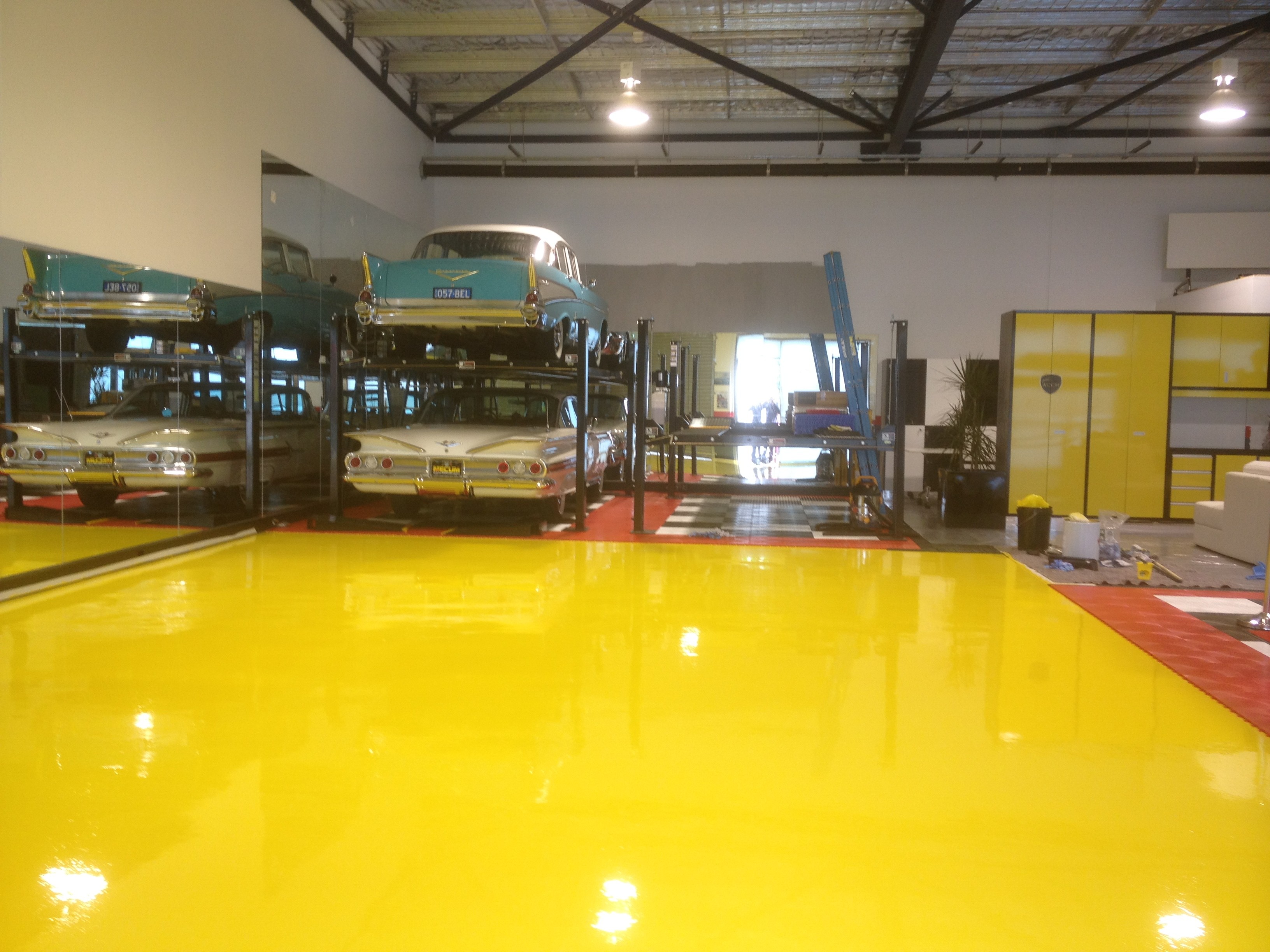
When specifying an industrial or commercial resinous flooring system, the epoxy vs polyurethane flooring decision is one of the most consequential choices you'll make. Both materials deliver durable, seamless, chemical-resistant surfaces that outperform traditional flooring options—but they do so with fundamentally different chemical properties, performance characteristics, and ideal applications. Choosing the wrong system for your environment can lead to premature failure, costly repairs, and operational downtime. This complete comparison guide breaks down every critical dimension—durability, chemical resistance, cost, installation time, UV stability, thermal shock resistance, and more—to help you make the right specification for your facility.
In industrial and commercial facilities, the floor is not just a surface to walk on—it is a critical piece of infrastructure that supports every operation. A failed floor doesn't just look bad; it creates safety hazards, contaminates products, halts production, and costs money in repairs and downtime. The difference between an epoxy floor that lasts 10 years and one that fails in 2 often comes down to whether the right system was specified for the environment (Nedis Floor, 2026).
The epoxy vs polyurethane flooring debate is particularly important because these two systems are frequently presented as interchangeable when they are not. Both are polymer-based, both are installed as liquid coatings that cure into seamless surfaces, and both are widely used in industrial settings. But their molecular structures give them fundamentally different performance profiles. Epoxy is rigid, hard, and exceptionally strong in compression. Polyurethane (PU) is flexible, elastic, and better at absorbing impact and thermal stress. Neither is universally "better"—the right choice depends entirely on your specific operating conditions.
Facility managers, architects, and general contractors often face this decision when designing or renovating warehouses, factories, food processing plants, commercial kitchens, automotive shops, healthcare facilities, and retail spaces. Getting the specification right means understanding not just the material properties, but how those properties interact with your facility's unique combination of traffic, chemicals, temperature cycles, moisture, and cleaning protocols.
At YUMEIGU, we supply both epoxy and polyurethane flooring systems to customers across 80+ countries, and we've seen firsthand what happens when the wrong system is chosen. In this guide, we draw on that experience—along with the latest material science and industry data—to give you an objective, thorough comparison that will help you specify with confidence.
Epoxy flooring is a two-component thermosetting resin system created by combining epoxy resin with a polyamine hardener. When these two components are mixed in the correct ratio, they undergo a chemical reaction—cross-linking at the molecular level—to form a rigid, plastic-like material that bonds tenaciously to concrete substrates. Epoxy is typically applied in multiple layers, with total thickness ranging from a thin 10–20 mil coating to a thick ¼-inch (250+ mil) mortar system, depending on the performance requirements (Prisma Coatings).
Epoxy flooring is not a single product—it is a category encompassing many system types, each designed for specific performance levels and applications:
Polyurethane (PU) flooring systems are polymer-based coatings formed by the reaction of polyols with isocyanates. Available in both one-component (moisture-cured) and two-component formulations, polyurethane coatings produce a flexible, elastic film that offers superior impact resistance, UV stability, and thermal shock performance compared to epoxy. PU floors are often installed as thinner topcoats over epoxy base coats, or as thicker self-leveling or trowel-applied mortar systems for heavy-duty use (Prisma Coatings).
The following table provides a direct comparison of epoxy and polyurethane across every critical performance dimension. Use this as your quick-reference guide, then dive into the detailed sections that follow for deeper analysis.
| Performance Factor | Epoxy Flooring | Polyurethane Flooring |
|---|---|---|
| Compressive Strength | Excellent (10,000–14,000 psi) | Good (6,000–10,000 psi) |
| Flexibility / Impact Resistance | Low (rigid; may crack under heavy impact) | High (absorbs shock; resists cracking) |
| Abrasion Resistance | Moderate to Good | Excellent (superior scratch resistance) |
| UV Resistance | Poor (yellows and chalks in sunlight) | Excellent (color-stable; suitable for exterior use) |
| Thermal Shock Resistance | Poor to Moderate (brittle at temperature extremes) | Exceptional (handles rapid temperature changes) |
| Max Service Temperature | 60–65°C (140–149°F) continuous | Up to 120°C (248°F) intermittent |
| Chemical Resistance | Excellent against petroleum, solvents, alkalis | Excellent against organic acids, food chemicals |
| Bonding Strength | Superior (penetrates concrete pores) | Moderate (requires primed, clean surface) |
| Build Thickness | High-build (up to ¼"+ in single lifts) | Low-build (typically 2–60 mils per coat) |
| Moisture Tolerance (during cure) | Low (sensitive to high humidity) | High (some systems use moisture as co-reactant) |
| Foot Traffic Cure Time | 24–72 hours | 6–8 hours (many systems) |
| Full Chemical Cure | 5–7 days | 24–48 hours |
| Typical Installed Cost | $3–$12 per sq ft | $5–$15 per sq ft |
| Expected Service Life | 5–10+ years (industrial) | 10–20+ years (PU mortar) |
Sources: Prisma Coatings, CN Forest Coating (2026), Neocrete, Nedis Floor (2026)
Durability is usually the top concern when comparing epoxy vs pu flooring, but "durability" means different things in different environments. Let's break it down by the types of stress your floor will endure.
When it comes to pure compressive strength—supporting heavy static loads like racking systems, heavy machinery, and stacked materials—epoxy is the undisputed champion. High-quality epoxy systems can achieve compressive strengths of 10,000–14,000 psi, exceeding the strength of the concrete substrate itself (Feature Flooring). This makes epoxy the go-to choice for warehouses, manufacturing facilities, and any environment where heavy point loads or concentrated equipment weights are a concern.
Polyurethane, while strong, is not in the same league for compressive performance. PU systems typically range from 6,000–10,000 psi in compression, which is still more than adequate for most commercial applications but falls short of epoxy for the heaviest industrial loads (Neocrete).
Here's where the balance shifts. Polyurethane's elasticity gives it dramatically better impact resistance than rigid epoxy. Drop a heavy tool, drag a loaded pallet, or run hard-wheeled equipment over a PU floor, and it absorbs and rebounds rather than chipping or cracking. In facilities where dropped tools, impact from forklift traffic, and heavy dynamic loads are common—such as distribution centers, machine shops, and loading docks—PU's impact resistance translates directly to longer service life (GSS Flooring, 2025).
Epoxy, being brittle, can crack or chip under severe impact. If the concrete substrate beneath shifts or develops hairline cracks due to settling or thermal movement, the rigid epoxy layer may mirror those cracks or delaminate locally. This is why epoxy is generally not recommended for environments with frequent vibration or significant substrate movement.
Abrasion resistance is about how well the floor holds up to constant rubbing, scuffing, and light impact from foot traffic, wheeled carts, and equipment. Polyurethane generally outperforms epoxy in this category because its flexible surface resists micro-scratching better than the harder, more brittle epoxy surface (Prisma Coatings).
While epoxy is harder on the Mohs scale, its brittleness means that scratches, once formed, tend to be more visible and permanent. PU's slightly "give" allows it to absorb minor abrasion that would leave permanent marks on epoxy. In high-traffic retail spaces, hallways, and areas where appearance matters over time, PU maintains its finish better than pure epoxy.
Service life depends heavily on the environment, installation quality, and maintenance—but general industry guidelines suggest:
It's worth noting that some sources report very different lifespans, with one stating broadcast epoxy lasts only 1.5 years while urethane concrete lasts 20–30 years (Feature Flooring). This wide range reflects the enormous variation in system quality, thickness, application quality, and service environment. The key takeaway: properly specified and installed, both systems deliver long service lives in their appropriate environments.
Chemical resistance is often the deciding factor in the polyurethane vs epoxy floor comparison, particularly in industrial and food processing environments. But it's not a simple "one is better" answer—each material resists different types of chemicals.
Epoxy is renowned for its resistance to petroleum-based chemicals and solvents, making it the traditional choice for automotive facilities, aircraft hangars, and industrial plants with hydrocarbon exposure.
Epoxy resists well:
Epoxy resists poorly:
Polyurethane excels in environments with organic acids and frequent chemical washdowns—precisely the conditions found in food and beverage processing, commercial kitchens, and pharmaceutical manufacturing.
Polyurethane resists well:
Polyurethane resists poorly:
Both systems resist most chemicals effectively, and for many general-purpose applications, either will work. The differences become critical when you're dealing with specific aggressive chemicals or high-temperature chemical exposure. Always refer to the manufacturer's published chemical resistance chart for the specific product you're considering, and request test data for any chemicals that will be in contact with the floor in your facility.
Consider a dairy processing facility that uses daily hot water and chemical washdowns, has frequent lactic acid spills from product contact, and operates with rapid temperature swings between cold storage and washdown areas. In this environment, a polyurethane mortar system is almost always the better choice because:
By contrast, an automotive repair shop dealing with motor oil, gasoline, and brake fluid would be better served by an epoxy system, which handles petroleum products exceptionally well and provides the compressive strength for vehicle lifts and heavy equipment.
Cost is inevitably a major factor in any flooring decision. But focusing only on upfront price per square foot can be misleading—the true cost of a floor is its lifetime cost, which includes maintenance, repairs, and replacement costs over its service life.
In general, epoxy flooring is less expensive to install than polyurethane flooring on a per-square-foot basis. Here's how the numbers break down:
| System Type | Typical Installed Cost (per sq ft) | Notes |
|---|---|---|
| Thin-film epoxy coating | $3.00 – $6.00 | 2–3 coats, light-duty, residential/light commercial |
| Self-leveling epoxy | $6.00 – $10.00 | 1–3 mm, medium-duty, most popular system |
| Epoxy mortar / quartz broadcast | $9.00 – $15.00 | ¼" thick, heavy-duty, industrial |
| Polyurethane topcoat over epoxy | +$1.00 – $3.00 | Added cost over epoxy base system |
| Self-leveling polyurethane | $8.00 – $13.00 | Medium-duty, UV-stable |
| Polyurethane mortar (PU cement) | $12.00 – $20.00 | 4–6 mm, heavy-duty, food-grade |
| ESD / cleanroom systems (either) | $15.00 – $25.00+ | Specialty conductive formulations |
Sources: Peckham Coatings (2025), LatestCost (2025), Amadeus Epoxy (2025)
Several factors influence where a project falls within these ranges:
When you factor in service life and maintenance requirements, the cost picture can flip. Consider a 10,000 sq ft industrial floor:
| Cost Factor | Epoxy Mortar System | Polyurethane Mortar System |
|---|---|---|
| Upfront installation | $120,000 ($12/sq ft) | $160,000 ($16/sq ft) |
| Annual maintenance | $3,000/year | $1,500/year |
| Expected service life | 10 years | 20 years |
| Total cost over 20 years | $300,000 (install × 2 + maintenance) | $190,000 (install + maintenance) |
| Annualized cost | $15,000/year | $9,500/year |
In this example, even though the PU system costs 33% more upfront, it saves 37% over a 20-year period because it lasts twice as long and requires less maintenance. This is why facility managers who think in terms of total cost of ownership often choose PU for demanding environments, even with the higher sticker price.
Perhaps the biggest hidden cost of flooring installation is downtime. For manufacturing plants, distribution centers, and food processing facilities, every day the floor is out of service costs money in lost production. Polyurethane systems often cure significantly faster than epoxy—some can return to foot traffic in 6–8 hours and heavy loads in 24 hours, compared to 24–72 hours for epoxy (CN Forest Coating, 2026).
Consider a food processing plant with a production value of $75,000 per day. A standard epoxy installation requiring 7 days of downtime costs $525,000 in lost production, plus the installation cost. A polyurethane mortar system that returns to service in 48 hours costs only $150,000 in downtime. In this scenario, the "more expensive" PU system actually saves $300,000+ when you account for production losses (Peckham Coatings, 2025).
The installation process for epoxy and polyurethane flooring shares many similarities—both require proper surface preparation, are applied as liquid coatings, and cure into seamless surfaces—but there are important differences in application requirements, cure behavior, and environmental sensitivity.
Both epoxy and polyurethane absolutely require proper surface preparation for good adhesion. The industry standard is mechanical profiling—diamond grinding or shot blasting—to remove laitance (the weak surface layer of concrete) and create a texture profile for the resin to grip. Surface preparation is estimated to determine 60% or more of coating longevity (Nedis Floor, 2026). Skipping or skimping on prep is the single most common cause of flooring failure, regardless of material.
The preparation process is essentially the same for both materials—you're preparing the concrete substrate, not the coating. However, some PU systems are slightly more tolerant of marginally prepared surfaces than epoxy, thanks to their better flexibility and ability to accommodate minor substrate issues.
Epoxy and PU are both multi-component systems that must be mixed on-site before application. The application process follows similar patterns:
One key difference: epoxy systems are generally more forgiving of application technique for less experienced installers, thanks to their longer working time (pot life) and higher viscosity. Polyurethane—especially fast-curing systems—has a shorter pot life and requires more precise mixing and application technique. PU mortar systems in particular demand experienced applicators familiar with the material's specific handling characteristics.
This is where the two materials diverge significantly:
Epoxy installation requirements:
Polyurethane installation requirements:
Cure time is one of the most significant practical differences between epoxy and PU flooring:
| Milestone | Epoxy (standard) | Polyurethane (standard) |
|---|---|---|
| Light foot traffic | 24–48 hours | 6–8 hours |
| Full foot traffic | 48–72 hours | 12–24 hours |
| Wheel traffic / light equipment | 3–5 days | 24–48 hours |
| Full chemical resistance | 5–7 days | 24–48 hours |
| Heavy forklift traffic | 7 days | 3–5 days |
The faster cure time of PU is a game-changer for facilities that need to minimize downtime. Retail stores, operating plants, and 24/7 operations often cannot afford a week of shutdown for flooring installation. PU systems—especially polyaspartic and fast-cure formulations—can often be installed overnight or over a weekend, dramatically reducing operational disruption.
Both epoxy and polyurethane floors are relatively low maintenance compared to other flooring options, but they do have different care requirements and aging characteristics.
Both systems are seamless, non-porous, and easy to clean—this is one of the primary advantages of resinous flooring over tile, VCT, or bare concrete. Daily or weekly cleaning with a neutral pH cleaner and a mop or auto-scrubber is usually all that's needed to keep either floor looking good.
That said, PU floors tend to release dirt more easily during cleaning because of their slightly more flexible surface. They also tend to show fewer streaks and water spots than glossy epoxy. For facilities with strict hygiene requirements—food processing, pharmaceuticals, healthcare—the non-porous, seamless nature of both systems meets sanitary standards, though PU mortar systems with coved (curved) wall transitions are preferred for the most stringent food safety applications.
This is an area where polyurethane has a clear advantage, especially in environments with UV exposure or heavy traffic:
Epoxy aging: Standard epoxy will gradually yellow or amber over time when exposed to UV light (sunlight through windows, skylights, or exterior exposure). This "chalking" effect is a chemical breakdown of the resin surface and is irreversible (Prisma Coatings). Even indoors with minimal UV, epoxy can dull in high-traffic areas from constant abrasion, losing its initial high gloss over 3–5 years.
Polyurethane aging: Aliphatic polyurethanes are UV-stable and maintain their color and gloss far longer than epoxy. A properly maintained PU floor can look nearly as good after 10 years as it did on day one (CN Forest Coating, 2026). Its superior abrasion resistance means it resists the scuffing and scratching that dulls epoxy surfaces.
Both systems can be repaired, but the process differs:
Epoxy repairs: Damaged epoxy (cracks, chips, delaminated areas) can be cut out and patched with new epoxy material. Color matching can be challenging because epoxy yellows over time—the new patch will likely be a different shade than the surrounding floor. Blending patches into the existing floor requires skill and is rarely invisible.
Polyurethane repairs: PU patches also require cutting out the damaged area and applying fresh material. Because PU is color-stable, color matching is generally easier and patches are less visible, provided the same product and color are used. However, PU's faster cure time means installers have less working time to feather and blend the patch.
Both floors can be recoated to restore their appearance, but the process differs:
Epoxy recoating: To recoat an epoxy floor, you typically need to abrade the surface (light grinding or screening) to create a mechanical bond for the new coat. The entire floor may need to be recoated to avoid visible patch lines. Recoating with a clear polyurethane topcoat is a popular way to extend the life of an epoxy floor while adding UV resistance and scratch resistance.
Polyurethane recoating: PU floors can often be recoated without full grinding, depending on the product. Some systems are designed to be top-coated periodically to refresh the surface. Burnishing with a polishing pad can also restore gloss to many PU floors without full recoating.
The which is better epoxy or polyurethane question has different answers depending on the industry and application. Here's a breakdown of which system excels in which environment.
Warehouses and Distribution Centers: Epoxy's high compressive strength and resistance to forklift traffic make it ideal for warehouses with heavy racking loads and constant material handling equipment. Low cost per square foot and good chemical resistance to oils and greases round out the value proposition (Amadeus Epoxy, 2025).
Automotive Service and Manufacturing: Garages, auto dealerships, and manufacturing plants benefit from epoxy's excellent resistance to petroleum products—motor oil, gasoline, brake fluid, and transmission fluid. Its hardness stands up well to vehicle lifts and heavy equipment (Prisma Coatings).
Aircraft Hangars and Aerospace: Epoxy's resistance to jet fuel, hydraulic fluids, and other aviation chemicals, combined with its ability to support heavy aircraft loads, makes it a standard choice for hangar floors.
Showrooms and Retail (Light Use): When appearance matters but traffic is moderate, self-leveling epoxy with decorative flakes or metallic effects provides a high-gloss, customizable look at an affordable price. For areas with UV exposure, add a PU topcoat.
Electronics Manufacturing (ESD): ESD epoxy systems provide the static control required for electronics assembly while maintaining the durability and cleanability of epoxy flooring.
Food and Beverage Processing: This is PU mortar's flagship application. The combination of thermal shock resistance (hot washdowns to cold floors), organic acid resistance (lactic, acetic, citric), moisture tolerance, and seamless coved construction makes polyurethane mortar the gold standard for food processing, dairies, breweries, and commercial kitchens (Nedis Floor, 2026).
Cold Storage and Freezers: Polyurethane's ability to handle extreme temperatures and thermal cycling makes it ideal for walk-in freezers, cold storage warehouses, and refrigerated processing areas. Epoxy can become brittle and crack at very low temperatures.
Commercial Kitchens and Restaurants: The combination of hot grease, frequent mopping, food acids, and heavy foot traffic taxes epoxy systems. PU's flexibility, chemical resistance, and fast installation (often done overnight) make it the preferred choice for food service flooring.
Exterior Applications: Any floor exposed to direct sunlight—outdoor walkways, patios, loading ramps, exterior walkways—needs UV-stable flooring. Aliphatic polyurethane systems maintain their color and don't chalk or yellow like epoxy (Prisma Coatings).
High-Traffic Retail and Public Spaces: Where appearance retention matters and traffic is heavy—shopping malls, airport concourses, museum floors—PU's superior abrasion resistance and color stability mean it looks better longer and requires less frequent recoating.
For many general-purpose commercial and light industrial applications—offices, schools, laboratories, retail stores, light manufacturing—either system will deliver acceptable performance. In these cases, factors like budget, desired aesthetics, and installation timeline drive the decision. Most often, the optimal solution is a hybrid system: epoxy base for strength and cost-effectiveness, topped with polyurethane for UV stability, scratch resistance, and extended service life.
Given the complementary strengths of epoxy and polyurethane, it's no surprise that many flooring professionals recommend a combined system—epoxy as the base build, finished with a polyurethane topcoat. This hybrid approach captures the best properties of both materials while minimizing their weaknesses.
A typical epoxy-PU hybrid system consists of:
This approach has become so common that it's now the default specification for many commercial and industrial projects. Why use all epoxy or all PU when you can combine their strengths?
While hybrid systems work well for many applications, there are cases where a full PU system (or PU mortar) is the right call:
At YUMEIGU, we offer both epoxy and polyurethane flooring systems, as well as complete hybrid solutions tailored to your specific environment. Our technical team can help you evaluate your facility's conditions and recommend the optimal system—whether that's pure epoxy, an epoxy-PU hybrid, or a full polyurethane mortar installation.
Use this step-by-step framework to determine which flooring system is right for your project.
Start by assessing the conditions the floor will face. Create a checklist of:
Based on your environmental assessment:
Before finalizing your specification:
Polyurethane flooring is generally more expensive upfront than epoxy, with installed costs ranging from $5–$15 per square foot for PU compared to $3–$12 per square foot for epoxy (Prisma Coatings). However, the cost comparison flips when you consider total cost of ownership. Polyurethane systems often last 1.5–2 times longer than epoxy in demanding environments, have lower maintenance requirements, and can be installed faster (reducing downtime costs). For a 20-year lifecycle analysis, PU can actually be less expensive than epoxy because you won't need to replace or recoat it as frequently. For budget-constrained projects in moderate environments, epoxy is the more affordable upfront choice.
Yes, absolutely. In fact, applying a polyurethane topcoat over an epoxy base is one of the most common and effective flooring system configurations in the industry. The epoxy provides thickness, compressive strength, and excellent substrate adhesion, while the PU topcoat adds UV stability, enhanced abrasion resistance, and better chemical resistance (Prisma Coatings). This hybrid approach delivers better performance than all-epoxy at a lower cost than all-PU. For the best results, apply the PU topcoat within the epoxy's recoat window (usually 24–48 hours) for optimal chemical bonding, or lightly abrade the cured epoxy surface to create a mechanical bond.
For most residential and commercial garage floors, epoxy—especially flake or quartz broadcast systems—provides the best combination of performance and value. Epoxy's resistance to motor oil, gasoline, and automotive chemicals, plus its high compressive strength for vehicle loads, makes it well-suited for garages (Prisma Coatings). If the garage has significant UV exposure (e.g., an open-air parking structure) or you want maximum scratch resistance and color stability, consider an epoxy base with a polyurethane topcoat. For full outdoor parking structures, a full aliphatic PU system is recommended to prevent UV degradation. At YUMEIGU, we offer both epoxy garage floor systems and hybrid solutions to match your specific conditions.
A well-installed, well-maintained epoxy floor typically lasts 5–10 years in moderate industrial environments and 10–15 years in light commercial use. Polyurethane flooring—particularly PU mortar systems—generally lasts longer: 10–15 years for self-leveling PU and 15–25+ years for polyurethane mortar systems in demanding environments (Nedis Floor, 2026). Actual service life depends on many factors including system thickness, installation quality, traffic volume, chemical exposure, temperature cycling, and maintenance practices. The single biggest factor in floor longevity is proper surface preparation before installation, which accounts for 60% or more of a floor's service life (Nedis Floor, 2026).
Epoxy scratches more easily than polyurethane, despite being a harder material. This is because epoxy's rigidity means that when a sharp or abrasive object drags across its surface, it creates a permanent visible scratch. Polyurethane's slightly flexible surface absorbs minor abrasion and resists micro-scratching better, maintaining its finish appearance longer in high-traffic areas (Prisma Coatings). Think of it like the difference between a ceramic plate (hard but brittle, scratches are permanent) and a plastic cutting board (softer but more resistant to visible damage). For environments where appearance matters—retail spaces, showrooms, lobbies—a PU topcoat will keep the floor looking better for longer.
Standard epoxy is not recommended for outdoor use because it is not UV-stable. When exposed to sunlight, epoxy gradually yellows, chalks (develops a powdery surface), and degrades—a process that can significantly shorten its service life and ruin its appearance (Prisma Coatings). If you want an outdoor resinous floor, choose an aliphatic polyurethane system, polyaspartic coating, or a specially formulated UV-stable epoxy (which still won't match PU's UV performance). For covered patios or loading docks that receive only indirect sunlight, an epoxy system with a UV-resistant PU topcoat can work, but full PU is safer for any area with direct sun exposure.
Both systems bond well to concrete and provide excellent protection, but they serve different purposes. If your primary goal is to protect the concrete from heavy loads, petroleum chemicals, and abrasion at a reasonable cost, epoxy is the classic workhorse. If you need flexibility, UV stability, thermal shock resistance, or superior appearance retention, polyurethane is the better choice (GSS Flooring, 2025). For most general-purpose applications, the best answer is both: an epoxy base for strength and economy, topped with polyurethane for performance and durability. This hybrid system is the most widely specified commercial and industrial flooring solution in the world today.
The best way to determine the right flooring system is to conduct a thorough site assessment and work with a knowledgeable flooring supplier or contractor. At minimum, you should: (1) test your concrete slab's moisture condition, (2) inventory all chemicals and temperatures the floor will be exposed to, (3) assess traffic types and volumes, and (4) identify any regulatory requirements (FDA, USDA, ESD, etc.). From there, a qualified professional can match your conditions to the appropriate system. YUMEIGU offers free technical consultation for facility managers and contractors—our team can help you evaluate your options and recommend the optimal epoxy, PU, or hybrid system for your specific environment.
The epoxy vs polyurethane flooring debate ultimately comes down to matching the material to the environment. Epoxy is the cost-effective workhorse—hard, strong, and affordable—ideal for warehouses, automotive facilities, and general industrial use where heavy loads and petroleum chemicals are the primary concerns. Polyurethane is the premium performer—flexible, UV-stable, and thermally resilient—essential for food processing, cold storage, exterior applications, and any environment where downtime minimization is critical.
For most general-purpose commercial and industrial facilities, the hybrid approach—epoxy base + polyurethane topcoat—delivers the best balance of performance, durability, and value. It gives you the strength and economy of epoxy with the appearance retention and chemical resistance of PU.
Whatever system you choose, remember that installation quality matters at least as much as material selection. Even the best flooring system will fail if surface preparation is skipped, mixing ratios are wrong, or environmental conditions aren't right. Work with experienced, certified installers and reputable material suppliers to ensure your investment delivers the expected service life.
Ready to specify the right flooring system for your facility? The YUMEIGU team has helped customers in 80+ countries select and install industrial flooring solutions that stand up to the toughest conditions. Whether you need epoxy, polyurethane, or a hybrid system, we can provide technical guidance, product recommendations, and competitive pricing. Contact us at sales@yumeigu.com or call +86-13883996684 for a free consultation. You can also explore our full product range at www.yumeigu.com and follow us on LinkedIn and YouTube (@yumeigutechnology) for more flooring industry insights and application guides.
Get premium diamond tools and flooring machines from YUMEIGU. Factory direct pricing, global shipping.
Get a QuoteYUMEIGU provides one-stop industrial flooring materials & equipment, serving 80+ countries worldwide. Get a free project consultation & quote today.