中文
English
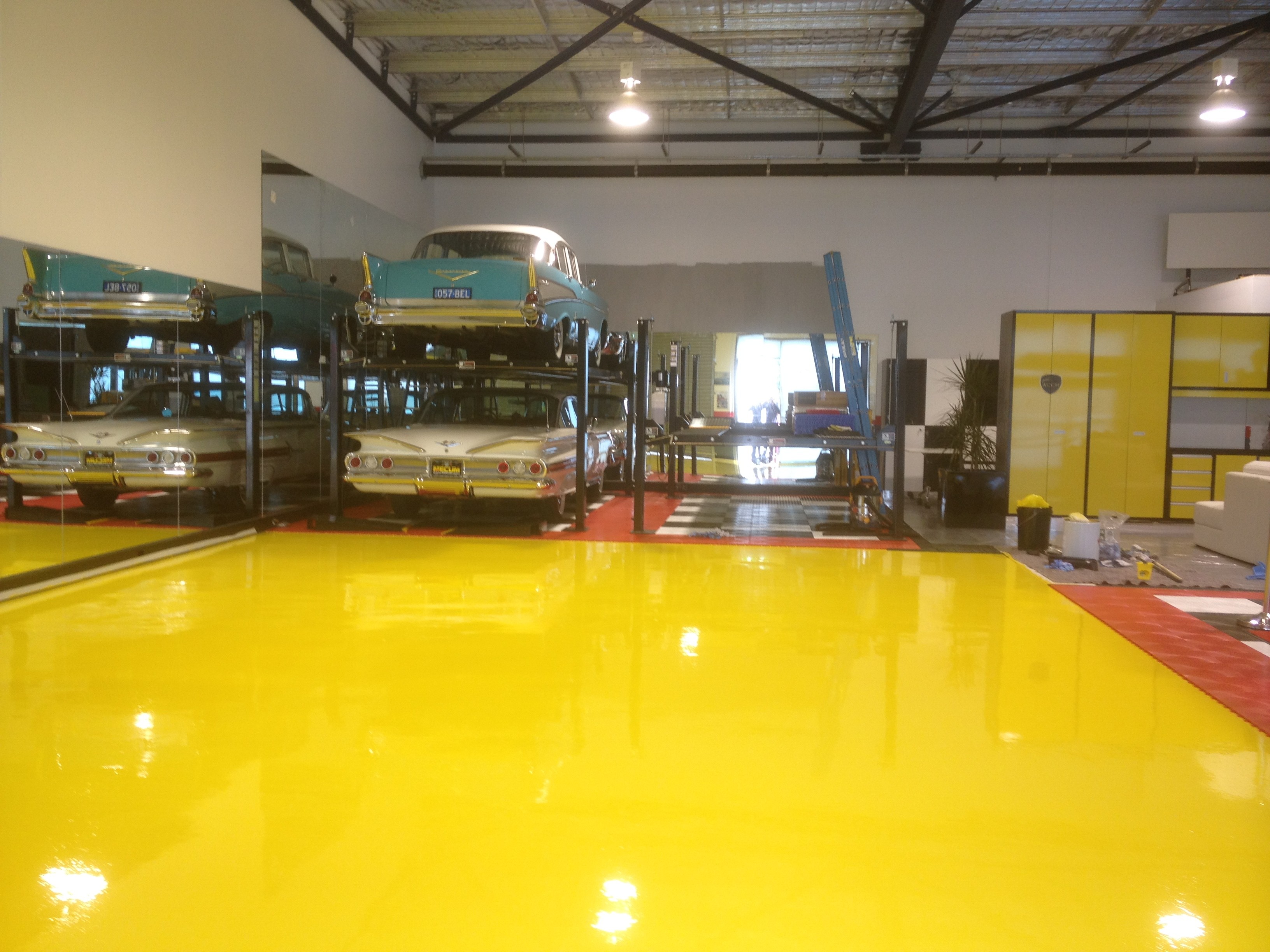
Budgeting for an epoxy flooring project without accurate pricing data is like bidding a job with no material list—you're going to lose money. Whether you're a facility manager planning a warehouse renovation, a property owner evaluating garage floor options, or a flooring contractor preparing client quotes, understanding how much epoxy flooring costs in 2026 is essential for making informed decisions. The truth is, epoxy flooring cost varies dramatically—from $3 per square foot for a basic coating to $20+ per square foot for specialty systems—depending on system type, floor condition, project size, location, and installation complexity. This comprehensive pricing guide breaks down every cost component, compares system types, reveals hidden expenses, and gives you practical strategies for saving money without cutting corners.
If you've researched epoxy flooring prices, you've probably seen wildly different numbers from different sources. One website says $3 per square foot, another says $15. Both are correct—because "epoxy flooring" isn't a single product. It's a category that includes everything from a thin two-coat paint-on coating to a thick ¼-inch industrial mortar system, and everything in between. The product you choose, the condition of your floor, and where you're located all dramatically impact the final price (Peckham Coatings, 2025).
To make sense of epoxy flooring cost, you need to think of it like buying a car. A basic economy car and a luxury SUV are both "cars," but their prices differ by an order of magnitude. Similarly, a thin-film epoxy coating and a heavy-duty epoxy mortar system are both "epoxy flooring," but one costs three to five times more than the other. The key is understanding what you're getting for your money and matching the system to your actual needs.
This guide is designed for both facility managers who need to budget accurately and for flooring contractors who want to understand market pricing and position their services competitively. We'll break down prices by system type, project size, industry, and geographic region, and we'll also cover the hidden costs that often blow budgets—things like moisture mitigation, crack repair, and line striping that many "per square foot" quotes don't include.
At YUMEIGU, we supply epoxy flooring materials and equipment to contractors and distributors in 80+ countries, so we see pricing data from markets around the world. In this 2026 pricing guide, we draw on that market knowledge along with the latest industry data to give you the most accurate and comprehensive epoxy floor price per sq ft guide available.
The single biggest factor in how much epoxy flooring costs is the type of system you choose. Here's a breakdown of the most common epoxy flooring systems and their typical installed costs in 2026.
| System Type | Typical Thickness | Price Per Sq Ft (Installed) | Best For |
|---|---|---|---|
| Epoxy floor paint / thin-film coating | 5–20 mils (0.1–0.5 mm) | $2.50 – $6.00 | Residential garages, light commercial, dust-proofing |
| Self-leveling epoxy | 40–120 mils (1–3 mm) | $6.00 – $10.00 | Commercial floors, showrooms, light industrial |
| Epoxy mortar / trowel-applied | 3/16" – ¼" (5–6 mm) | $9.00 – $15.00 | Heavy industrial, forklift traffic, loading docks |
| Quartz / flake broadcast epoxy | 30–80 mils (0.75–2 mm) | $7.00 – $12.00 | Commercial kitchens, restrooms, retail, decorative |
| Metallic epoxy | 30–60 mils (0.75–1.5 mm) | $8.00 – $15.00 | Showrooms, lobbies, high-end residential |
| ESD / anti-static epoxy | 40–80 mils (1–2 mm) | $12.00 – $20.00+ | Electronics manufacturing, cleanrooms, explosive areas |
| Chemical-resistant epoxy (novolac) | 60–120 mils (1.5–3 mm) | $12.00 – $20.00+ | Chemical plants, battery rooms, laboratories |
Sources: Peckham Coatings (2025), LatestCost (2025), Amadeus Epoxy (2025)
Let's look at each system in more detail.
The most basic and affordable option, thin-film epoxy coatings are typically two-coat systems (primer + topcoat) applied at 5–20 mils total thickness. These are essentially high-performance paints for concrete—they seal the surface, prevent dusting, and provide basic chemical resistance. They're popular for residential garage floors and light commercial use where heavy traffic and impact aren't major concerns.
Water-based epoxies are at the low end of this price range ($30–$50 per gallon) and are the easiest to apply DIY. 100% solids epoxies are at the high end ($45–$150 per gallon) and offer better durability and performance (This Old House, 2025).
Pros: Lowest cost, easy installation, fast application, good for budget projects
Cons: Short lifespan (3–7 years), shows wear quickly, doesn't level imperfections, limited impact resistance
Self-leveling epoxy is the workhorse of commercial and industrial flooring. Applied at 40–120 mils (1–3 mm) thick, these systems flow out to create a smooth, seamless, high-gloss surface that hides minor imperfections in the concrete. Self-leveling epoxy provides significantly better durability, impact resistance, and chemical resistance than thin-film coatings, and typically lasts 8–15 years in moderate industrial environments.
This is the most popular system for general-purpose commercial and industrial use, and it represents the sweet spot between performance and cost for many applications (Peckham Coatings, 2025).
Pros: Balanced cost and performance, smooth seamless finish, good chemical resistance, hides minor slab imperfections
Cons: More expensive than thin-film coatings, requires skilled installation, longer cure time
The heaviest-duty epoxy option, epoxy mortar systems combine epoxy resin with sand or aggregate to create a dense, structural flooring material that can be ¼-inch thick or more. Trowel-applied by skilled installers, these systems can even repair damaged concrete and build up worn or uneven floors. They provide exceptional impact resistance, compressive strength, and durability in the heaviest industrial environments.
Epoxy mortar is typically used in manufacturing plants, distribution centers, loading docks, and anywhere heavy forklift traffic or dropped items are common (Amadeus Epoxy, 2025).
Pros: Exceptional durability and strength, can repair damaged concrete, longest service life, highest impact resistance
Cons: Most expensive epoxy system, requires highly skilled installers, longer installation time
Broadcast systems combine epoxy with decorative aggregate—vinyl color flakes or quartz sand—that is broadcast into a wet epoxy base coat and then sealed with a clear topcoat. These systems provide both decorative versatility and functional benefits: the aggregate creates texture for slip resistance, hides surface imperfections, and adds thickness for durability.
Vinyl flake systems are popular for garages, retail spaces, and commercial kitchens, while quartz systems are specified for more demanding environments. Prices vary based on the type and quality of aggregate, the broadcast rate (full vs. partial), and the number of seal coats.
Pros: Decorative and functional, hides imperfections, slip-resistant, wide range of colors and styles
Cons: More labor-intensive than self-leveling, aggregate adds material cost, texture can be harder to clean than smooth epoxy
Understanding the components of epoxy flooring installation cost helps you evaluate quotes and identify where your money is going. Here's a typical cost breakdown for a mid-range self-leveling epoxy project (5,000 sq ft, good condition slab):
| Cost Component | Low ($/sq ft) | Average ($/sq ft) | High ($/sq ft) | Notes |
|---|---|---|---|---|
| Materials (resin + hardener) | $2.00 | $3.00 | $5.00 | Primer, base coat, topcoat; varies by system type and quality |
| Labor (prep + installation) | $2.50 | $3.50 | $6.50 | Surface prep, mixing, application, cleanup; 10–30 hrs/1,000 sq ft |
| Equipment (amortized or rental) | $0.25 | $0.75 | $2.00 | Grinders, vacuums, mixers, tools |
| Surface preparation | Included | Included | $2.00+ | Diamond grinding / shot blasting; extra for bad condition |
| Permits and disposal | $0.05 | $0.10 | $0.40 | Waste disposal, environmental permits if applicable |
| Contingency (unforeseen prep) | $0.20 | $0.50 | $1.00 | Hidden cracks, moisture issues, surface repairs |
| Total (mid-range self-leveling) | $5.00 | $7.85 | $14.90 | Material + labor + equipment + prep + contingency |
Sources: LatestCost (2025), Peckham Coatings (2025)
As you can see, labor typically represents 40–60% of the total project cost, with materials making up another 30–40%. The remaining 10–20% goes to equipment, consumables, and overhead. This is why project size has such a big impact on per-square-foot pricing: the fixed costs (mobilization, equipment setup, travel) are spread over more square footage, reducing the unit price.
If you're a contractor pricing materials for a bid, or if you're considering DIY, here's what you can expect to pay for epoxy materials alone:
Source: This Old House (2025)
Always order 15–20% extra material to account for waste, mixing errors, and uneven concrete porosity. Porous concrete can soak up 30–50% more material than smooth, dense concrete (Peckham Coatings, 2025).
A "per square foot" price only tells part of the story. These factors can swing your final epoxy flooring installation cost by 20–50% or more.
The condition of your existing concrete slab is the single biggest variable in epoxy flooring cost. A new, smooth, clean concrete slab requires minimal preparation. An old, cracked, pitted, oil-stained slab can require extensive work—crack repair, patching, shot blasting, degreasing—before any epoxy goes down.
| Floor Condition | Price Range ($/sq ft) | What's Included |
|---|---|---|
| Good (new, smooth, clean) | $4.00 – $6.00 | Light diamond grinding, minimal repair |
| Moderate (some cracks, old paint, minor stains) | $6.00 – $8.00 | Diamond grinding, crack repair, light patching |
| Poor (heavy cracks, oil saturation, damaged concrete) | $8.00 – $12.00+ | Shot blasting, extensive patching, moisture testing, full repair |
Source: Peckham Coatings (2025)
Poor floor condition can increase the total project cost by 20–40% compared to a good condition slab (LatestCost, 2025). This is why reputable contractors always want to inspect the site before quoting—phone or email quotes are notoriously inaccurate for epoxy flooring because the slab condition is invisible until you're on site.
Moisture in the concrete slab is the #1 cause of epoxy flooring failure. If moisture vapor is rising through the slab (from groundwater or poor drainage), it can cause blistering, delamination, and complete coating failure. Most epoxy systems require a moisture vapor emission rate (MVER) of ≤ 3 lbs per 1,000 sq ft per 24 hours (per ASTM F1869) or internal relative humidity ≤ 75% (per ASTM F2170) (Nedis Floor, 2026).
If your slab has high moisture, you'll need a moisture mitigation system—either a penetrating moisture barrier primer or an epoxy moisture barrier membrane. This typically adds $1.25–$2.50 per square foot to the project cost (Amadeus Epoxy, 2025). Skipping moisture testing to save money is the most expensive "savings" you can make—fixing a failed floor costs 2–3 times what proper moisture mitigation would have cost.
Thicker systems use more material and cost more, but they also last longer and handle heavier use. As a rough rule of thumb, doubling the thickness roughly doubles the material cost but can triple the service life. That's why thick epoxy mortar systems are actually better value in heavy-use environments, despite the higher sticker price.
More coats = more material + more labor = higher cost. A basic two-coat system (primer + topcoat) is at the low end of the price range. A four-coat system (primer, body coat, broadcast, topcoat) or a system with multiple build coats will cost significantly more. When comparing quotes, make sure you're comparing the same number of coats and the same total thickness—apples to apples.
These extras can add significantly to your project cost:
Epoxy flooring costs follow strong economies of scale—larger projects cost less per square foot because fixed costs (mobilization, equipment setup, travel, overhead) are spread over more area. Here's how project size typically affects pricing:
| Project Size | Price Per Sq Ft (Standard Epoxy) | Example Total Cost |
|---|---|---|
| Small (under 500 sq ft) | $8.00 – $12.00 | $4,000 – $6,000 (500 sq ft) |
| Medium (500 – 2,000 sq ft) | $5.00 – $8.00 | $5,000 – $16,000 (1,000 sq ft) |
| Large (2,000 – 10,000 sq ft) | $4.00 – $7.00 | $20,000 – $70,000 (10,000 sq ft) |
| Very large (over 10,000 sq ft) | $3.50 – $6.00 | $35,000 – $60,000 (10,000 sq ft) |
Source: Peckham Coatings (2025)
Here's why size matters so much. For a small 400 sq ft garage, the contractor still has to: load the van, drive to the site, set up equipment, do prep work, mix materials, apply the epoxy, clean up, and drive back. All that fixed time and cost gets divided by only 400 square feet. For a 10,000 sq ft warehouse, the same mobilization and setup costs are spread across 25 times more area, dramatically reducing the per-square-foot price.
This is also why small residential garage floors seem expensive on a per-square-foot basis compared to large industrial floors. The actual material and direct labor aren't that different—it's the fixed costs that drive the price disparity.
Epoxy flooring pricing varies significantly by market segment, not just because of system type but also because of customer expectations, project complexity, and competitive dynamics.
Typical range: $4.00 – $12.00 per sq ft installed
Residential epoxy—most commonly garage floors, basements, and patios—tends to be at the lower to middle end of the pricing range. The most popular residential systems are:
Residential projects are usually small (400–1,000 sq ft), which keeps per-square-foot pricing on the higher side. However, residential systems are often thinner and less heavy-duty than commercial or industrial systems, which partially offsets the size premium (This Old House, 2025).
Typical range: $6.00 – $12.00 per sq ft installed
Commercial epoxy flooring—for retail spaces, offices, restaurants, schools, and healthcare facilities—occupies the middle price range. Commercial projects are typically larger than residential (2,000–20,000 sq ft), which helps with economies of scale, but they often involve more complex requirements:
These factors push pricing up compared to basic industrial floors, even though the performance requirements might be lower. Commercial clients also typically have higher aesthetic expectations and are willing to pay for them (Peckham Coatings, 2025).
Typical range: $7.00 – $15.00+ per sq ft installed
Industrial epoxy flooring—for warehouses, manufacturing plants, distribution centers, and processing facilities—spans the widest price range because the performance requirements vary enormously. A light assembly plant might need a basic self-leveling epoxy at $6–$8/sq ft, while a chemical processing plant might need a heavy-duty novolac mortar system at $15–$20/sq ft.
Industrial projects are typically the largest (10,000–100,000+ sq ft), which provides strong economies of scale, but the systems themselves are more robust and the preparation requirements are often more extensive. For warehouse applications specifically, pricing typically breaks down as:
Different industries have very different flooring requirements, and these translate directly into different pricing levels.
| Industry / Application | Price Per Sq Ft | What Drives the Price |
|---|---|---|
| Warehouse / Distribution | $7.00 – $12.00 | Forklift traffic, abrasion resistance, large area = volume discount |
| Automotive / Aircraft | $8.00 – $15.00 | Petroleum chemical resistance, heavy loads, impact resistance |
| Food & Beverage Processing | $10.00 – $18.00 | USDA/FDA compliance, thermal shock resistance, often PU mortar |
| Pharmaceutical / Cleanroom | $12.00 – $20.00+ | ESD control, GMP compliance, low VOC, seamless coving |
| Chemical Processing | $12.00 – $20.00+ | Novolac or specialty chemical-resistant systems, secondary containment |
| Retail / Commercial Office | $6.00 – $12.00 | Decorative requirements, moderate traffic, phased installation |
| Residential Garage | $5.00 – $12.00 | Small project size, decorative flakes, residential service expectations |
Sources: Peckham Coatings (2025), Amadeus Epoxy (2025)
For manufacturing and food processing facilities, the cost of downtime often exceeds the cost of the floor itself. A dairy processing plant might lose $75,000 per day in production value while the floor is being installed. In these situations, paying a premium for a fast-curing system (like polyurethane mortar or polyaspartic) that returns the floor to service in 48 hours instead of 7 days can actually save money overall—sometimes hundreds of thousands of dollars (Peckham Coatings, 2025).
This is why it's important to think of flooring as an investment with a total cost, not just a per-square-foot price. A system that costs 20% more but allows you to resume production 5 days earlier is almost certainly the better financial decision.
DIY epoxy flooring kits are popular for residential garages and small projects, and they can save money compared to professional installation. But there are important trade-offs to consider.
| Factor | DIY Epoxy | Professional Installation |
|---|---|---|
| Material cost | $2.00 – $5.00/sq ft | $2.00 – $5.00/sq ft (same materials) |
| Labor cost | Your time (20–40 hrs for garage) | $2.50 – $6.50/sq ft |
| Equipment cost | $0–$500 (rental or basic tools) | $0.25 – $2.00/sq ft (amortized) |
| Total cost | $2.00 – $7.00/sq ft | $3.00 – $12.00/sq ft |
| Quality of result | Variable (depends on skill) | Professional quality |
| Warranty | Manufacturer only (material) | Labor + material warranty |
| Service life | 2–5 years (typical DIY) | 5–15+ years (professional) |
Sources: This Old House (2025), Peckham Coatings (2025)
The biggest risk with DIY epoxy is not the cost of materials—it's the cost of a botched job. If you apply epoxy to a poorly prepared floor or mix it incorrectly and it fails, fixing it costs far more than professional installation would have. You'll have to grind off the failed epoxy, repair the concrete, and start over—potentially doubling or tripling your total cost.
The cheapest epoxy floor upfront is rarely the cheapest over its service life. To compare systems fairly, you need to look at total cost of ownership (TCO) over 10, 20, or 30 years.
Let's compare three options for a 10,000 sq ft warehouse floor over a 20-year period:
| Cost Component | Budget Thin-Film Epoxy | Mid-Range Self-Leveling | Premium Epoxy Mortar |
|---|---|---|---|
| Initial installation | $40,000 ($4/sq ft) | $80,000 ($8/sq ft) | $120,000 ($12/sq ft) |
| Annual maintenance | $1,000/year | $500/year | $300/year |
| Expected service life | 4 years | 10 years | 20 years |
| Replacements over 20 years | 4 additional installations | 1 additional installation | 0 (still going) |
| 20-year total cost | $220,000 | $170,000 | $126,000 |
| Annualized cost | $11,000/year | $8,500/year | $6,300/year |
Counter-intuitively, the most expensive system (epoxy mortar) is actually the cheapest over 20 years—saving nearly 43% compared to the budget option. That's because the cheaper system needs to be replaced every 4 years, while the premium system lasts 20 years with minimal maintenance.
This analysis doesn't even include the cost of downtime for each replacement, which can be substantial in active facilities. When you factor in business disruption during each floor replacement, the premium system's advantage becomes even more dramatic.
The takeaway: always evaluate flooring costs on a total cost of ownership basis, not just initial price. YUMEIGU can help you model different scenarios for your specific application to find the system that provides the best long-term value.
Many epoxy flooring quotes look great on paper—until you get the final bill and discover all the extras that weren't included. Here are the hidden costs that most often surprise buyers:
This is the #1 source of cost overruns. Contractors often quote based on "good" floor condition, only to discover on day one that the slab is in much worse shape than expected. Cracks, spalls, oil contamination, and previous coatings can all add significant cost. Always insist on a site visit before final pricing and ask about change-order procedures for unforeseen conditions.
If moisture testing reveals high slab moisture—and it often does, especially in older buildings or ground-level slabs—you'll need a moisture barrier system. This typically adds $1.25–$2.50/sq ft (Amadeus Epoxy, 2025). Always require moisture testing in the quote and budget for mitigation as a contingency.
Most epoxy quotes assume the space is completely empty. If you need the contractor to move racking, equipment, furniture, or inventory, that's an extra charge. In a fully operational warehouse, the cost of moving and staging can add 10–20% to the project total.
If you need the work done outside normal business hours to minimize operational disruption, expect to pay a premium. Night shift or weekend rates can be 20–50% higher than standard rates. In 24/7 operations, this is often unavoidable—but it should be budgeted for.
Edges, corners, wall transitions, coving, and around fixtures all take extra time and labor. A floor with lots of edges (think of a complex office layout vs. an open warehouse) will cost more per square foot than a simple open rectangle. Contractors sometimes include "up to X linear feet of edge work" in their base price and charge by the foot beyond that.
Depending on your location, you may need permits for the work. Waste disposal (old coating materials, concrete grinding dust, contaminated slurry) also costs money. In areas with strict environmental regulations, disposal of hazardous waste can add thousands to the project.
If you need aisle markings, safety zones, pedestrian walkways, or other floor markings, these are almost always extra. Budget $1–$3 per linear foot for line striping, depending on the type of marking paint or tape used.
Everyone wants a great deal, but the wrong "savings" can cost you more in the long run. Here are legitimate ways to reduce your epoxy flooring cost without sacrificing quality or durability.
Using a single contractor for surface preparation and coating installation reduces coordination overhead and ensures accountability. If the prep crew damages the floor and the coating crew has to fix it, you don't want to be caught in the middle of a blame game (LatestCost, 2025). At YUMEIGU, we offer complete flooring solutions—equipment, materials, and technical support—so you have one point of contact for your entire project.
If you have qualified installers, buying epoxy materials directly from the manufacturer can save 20–40% compared to buying through distributors or contractors. YUMEIGU supplies industrial epoxy and polyurethane flooring materials directly to contractors and facility managers worldwide, with competitive pricing and technical support. For large projects, the savings can be substantial.
Custom colors, metallic effects, and specialty flake blends cost more than standard options. Choosing a standard gray or beige epoxy with a basic clear topcoat will give you the best performance per dollar. You can always add decorative elements selectively—like a logo in the lobby or colored safety zones—without paying for custom colors everywhere.
Flooring contractors are busiest in spring and fall. If you can schedule your project in winter (in mild climates) or the slower summer months, you may be able to negotiate better pricing. Contractors are more likely to discount their rates when their schedule isn't full.
If you have the equipment and know-how, handling some preparation work yourself—like moving furniture, patching simple cracks, or basic cleaning—can reduce labor costs. However, be very careful with this approach. If you don't prepare the floor properly and the epoxy fails, you'll have no one to blame but yourself. Never skip professional diamond grinding or shot blasting—this is the most critical part of the job and not a place to cut corners.
Installing epoxy flooring in a new, empty building before equipment or operations move in is significantly cheaper than retrofitting an active facility. No furniture to move, no production downtime, simpler access. If you're building a new facility, budget epoxy flooring as part of the construction process—it's far more expensive to add later.
Spending $500/year on proper floor maintenance—regular cleaning with pH-neutral cleaners, prompt spill cleanup, and periodic recoating—can extend your floor's life by 30–50%. That's the single highest-ROI investment you can make in your flooring. A well-maintained epoxy floor can last 50% longer than a neglected one with the same initial quality.
Don't buy more floor than you need. A ¼" epoxy mortar system is overkill for a light-duty office floor. Conversely, a thin-film epoxy coating is false economy for a forklift warehouse. Specifying the right system for the actual use conditions—not the most expensive, not the cheapest—is the best way to save money long-term. YUMEIGU's technical team can help you match the system to your requirements.
Not all epoxy flooring quotes are created equal. To compare quotes accurately, you need to make sure you're comparing apples to apples. Here's what to ask for and what to watch out for.
Three quotes is the standard recommendation—enough to compare and negotiate, not so many that you're overwhelmed. For large industrial projects ($50,000+), consider 4–5 quotes to ensure you're getting competitive pricing.
When evaluating quotes, don't automatically pick the cheapest one. Look for the best value—meaning the right system for your needs, a reputable contractor, a fair price, and a solid warranty. A slightly more expensive quote from an experienced contractor with a strong track record is almost always a better investment than the lowest bid from an unknown company.
Epoxy flooring cost in 2026 ranges from $2.50 to $20+ per square foot installed, depending on the system type, floor condition, project size, and location. The most common mid-range self-leveling epoxy system costs $6–$10 per square foot installed. Thin-film epoxy coatings are the cheapest at $2.50–$6/sq ft, while heavy-duty epoxy mortar systems and specialty ESD/chemical-resistant floors cost $12–$20+/sq ft (Peckham Coatings, 2025). For an accurate estimate, get at least three on-site quotes from reputable contractors—phone or email estimates are notoriously unreliable for epoxy flooring because so much depends on the condition of your specific slab.
Yes, epoxy flooring is typically 40–60% less expensive than ceramic or porcelain tile, both in upfront cost and lifetime cost. A 500 sq ft garage with epoxy might cost $2,500–$4,000 professionally installed, while tile for the same space would cost $4,000–$7,500 (Peckham Coatings, 2025). The savings are even more dramatic when you consider maintenance and replacement: epoxy is seamless and easy to clean, while tile requires grout maintenance and individual tile replacement. Over 10 years, epoxy typically costs about 40% less than tile when you factor in maintenance and replacement. For industrial and commercial applications, epoxy is almost always the more economical choice.
The lifespan of epoxy flooring depends on the system type, installation quality, and usage conditions. Thin-film epoxy coatings typically last 3–7 years in light use. Self-leveling epoxy floors (1–3 mm thick) last 8–15 years in moderate industrial use. Heavy-duty epoxy mortar systems (¼"+ thick) can last 15–20+ years in demanding environments (Amadeus Epoxy, 2025). Surface preparation is the most important factor in longevity—60% or more of epoxy flooring failures are caused by inadequate prep (Nedis Floor, 2026). Proper maintenance—regular cleaning with pH-neutral cleaners, prompt spill cleanup, and periodic recoating—can extend a floor's life by 30–50%. At YUMEIGU, we supply high-quality epoxy systems designed for maximum service life when correctly installed and maintained.
Yes, for small residential projects like garage floors, DIY epoxy installation is possible with basic DIY skills and the right tools. DIY epoxy kits cost $2–$5 per square foot in materials (This Old House, 2025). However, there are important caveats: the floor must be properly prepared (diamond grinding is ideal, acid etching is the minimum), the mixing must be precise, and the application must be done within the product's pot life. DIY floors typically last 2–5 years compared to 5–15+ years for professional installation. For commercial or industrial floors, we strongly recommend professional installation—the risk of failure and the cost of fixing mistakes far outweigh any labor savings. If you're a contractor looking to get into epoxy flooring, YUMEIGU supplies both materials and equipment and can provide technical training support.
Yes, epoxy flooring can increase home value, especially in garages, basements, and utility areas. It's considered a desirable upgrade because it transforms a plain concrete slab into a clean, polished, durable surface that's easy to maintain. Real estate agents often cite epoxy garage floors as a selling point that helps homes sell faster and for slightly more money. The return on investment varies, but most homeowners recoup 50–80% of the cost at resale, and the improved marketability can be worth even more. For commercial and industrial properties, high-quality epoxy flooring is essentially expected and factored into the property's value by tenants and buyers alike.
Polyaspartic flooring typically costs 20–40% more than epoxy upfront—$8–$18 per square foot installed vs. $3–$12 for epoxy. Polyaspartic is a polyurea-based coating that cures much faster than epoxy (often return-to-service in 24 hours or less), has better UV resistance, and is more flexible. It's popular for projects where downtime must be minimized or where UV exposure is a concern. While more expensive upfront, polyaspartic can be more cost-effective in situations where the speed of installation saves significant downtime costs. For example, a retail store that can reopen in 1 day instead of 5 days might save more in lost revenue than the price difference between polyaspartic and epoxy.
A standard 2-car garage (400–500 sq ft) typically costs $1,800–$5,000 for professional epoxy installation, depending on the system. A basic two-coat epoxy might cost $1,800–$3,200, while a decorative flake or quartz system usually runs $2,500–$5,000 (Peckham Coatings, 2025). DIY epoxy kits for a 2-car garage cost $350–$900 in materials, plus your time. Factors that increase the cost include extensive crack repair, oil stain removal, moisture issues, and decorative upgrades like metallic epoxy or custom logos. Premium metallic epoxy for a garage can cost $5,000–$8,000 or more.
To get an accurate epoxy floor price per sq ft quote, follow these steps: (1) Get at least three on-site quotes from reputable, insured contractors—never rely on phone estimates. (2) Make sure each quote includes the same system specification (number of coats, total thickness, product names). (3) Confirm that surface preparation (diamond grinding or shot blasting) is included. (4) Ask about moisture testing and what happens if high moisture is found. (5) Compare warranties side by side. (6) Check references from similar projects in your area. Remember, the cheapest quote is rarely the best value—a properly installed floor from a reputable contractor will last twice as long as a cheap, poorly installed one. For contractors and facility managers sourcing materials directly, YUMEIGU can provide detailed material cost estimates based on your specific system requirements and project size—contact us at sales@yumeigu.com for a free quote.
Epoxy flooring is a significant investment, and understanding the full range of costs—from basic thin-film coatings to heavy-duty mortar systems—is essential for budgeting and decision-making. The most important thing to remember is that you get what you pay for: a cheap epoxy floor that fails in 3 years isn't a bargain. Investing in the right system for your environment, installed by a qualified professional, will deliver the best return on investment over the floor's service life.
Key takeaways from this 2026 pricing guide:
Ready to take the next step? Whether you're a facility manager planning a project or a flooring contractor looking for a reliable materials supplier, YUMEIGU can help. We manufacture industrial epoxy and polyurethane flooring systems, diamond grinding equipment, and all the consumables you need for a professional installation. With customers in 80+ countries and competitive factory-direct pricing, we're your one-stop source for industrial flooring solutions.
Contact our team at sales@yumeigu.com or call +86-13883996684 for a free project consultation and material cost estimate. You can also explore our full product range at www.yumeigu.com and follow us on LinkedIn and YouTube (@yumeigutechnology) for more flooring industry insights and technical guides.
Get premium diamond tools and flooring machines from YUMEIGU. Factory direct pricing, global shipping.
Get a QuoteYUMEIGU provides one-stop industrial flooring materials & equipment, serving 80+ countries worldwide. Get a free project consultation & quote today.